Showing posts with label Bordeaux. Show all posts

Wednesday, January 30, 2019

Cabernet Sauvignon; The Experience WINE CLASS

Bordeaux renewed: Château Faugères’s "new" winery by Mario Botta, still looks cutting edge 10 years later!

“Cabernet Sauvignon
is special among wine grapes…”
- Jancis Robinson

We continue our series of sessions with the Fredericksburg Tasting Room team we are calling "The Experience Wine Class." We will be watching and meeting for the purpose of expanding our knowledge and experience with wine. Our guide will be Jancis Robinson's Wine Course, an excellent resource! Aired in the United Kingdom in 1995 and is fascinating to see both areas where the wine industry has NOT changed and areas where it HAS. You can watch it all on YouTube!

Episode 3- Cabernet Sauvignon continues the juxtaposition Jancis showed us in episode 2; New World vs Old World. This time Mrs. Robinson starts us in southwest France, Bordeaux, the Medoc, where dozens of people working feverishly in preparation for the Fete de la Fleur Celebration and things are about to get wet; soaking WET. All this activity is in the Saint Estephe region at the "NEW" Château LiLian Ladouys; owners Lilian and Christian Thieblot are hosting this party as a way to enter this very exclusive Bordelaise society! You can see their stress, the great effort and expense all to get noticed and accepted; to re-establish a once successful château. Jancis goes on to interview Anthony Barton owner of Leoville Barton (Second Growth in the St Julien region of the Medoc.) He is friendly and open about the Primer Crus being a “clique of their own.” “they use no vulgar advertising.” And he cautions that among the invitees “people are inclined to find fault.” He seems sympathetic to the impossible task the Thieblots have undertaken. I image this is not the first time he has witnessed this drama unfold, nor the last.

Jancis takes us thousands of miles away for the contrasting New World region; Chile. Here it is DRY, and there are no Classified Growths or hurdles to jump to gain entry to a clique. Here she shows us dusty trails and horseback riders along with some careless vineyard practices. As Jancis is interviewing Gaetane Carron, winemaker for Concha y Toro at the time, there are quick cuts to scenes of grape pickers tossing grapes around the vine rows and even a forklift dumping an entire bin of grapes on the ground! All the while Gaetane is explaining her efforts toward better viticulture management. “We have not refined our viticulture practices…” Gaetane says, and you get to see the weight of the impossible task on her shoulders as she talks.

Mrs. Robinson covers several important topics on this video including; phylloxera, why Cabernet Sauvignon is such a great grape, the nuances and nonsense in the Bordeaux wine business while showing the unraveling of the Fete de la Fleur "Garden Party" at Château LiLian Ladouys under torrential rain. As good as the contrast between the two regions is, like Jancis shows us in Episode 2- Chardonnay with Australia and Burgundy, this time the big reveal is that BOTH REGIONS AND WINERIES ARE THE SAME! ...They both have a monumental struggle to overcome the unique challenges of their region. AND, this is true of every region and every winery in the world!

It is a very exciting and dynamic episode which is informative and instructional. Our group watched it and I provided this handout which has a few notes from the video and some information and links to more on the web related to the topics Jancis covers, hopefully it adds a bit of depth on the subjects. I tried to include links to 'where are they today' information about the people in the video and I offer this link to a must read PDF about Bordeaux ten years ago; still cutting edge today!! "Extreme Estates!!!"

And please reply to this blog; is Cabernet Sauvignon your favorite wine?

Monday, August 10, 2015

Easy Like ... Rosé Wine

People make things difficult.  Sorry, but it is true; from rush hour, the work week, the boss, the in-laws, the land lord, the clerk in the store (who is supposed to be there to help!) and many other people in our lives seem to be there just to make things difficult on you.  Take the author for the Sommeliers; Tom Stevenson, in his authoritative tome the New Sotheby’s Wine Encyclopedia, he describes the rosé wines of Provence France "...exotic is the last word that could be used to describe it's dull, flabby contents."  Admittedly wine making has improved since he pinned these words,  yet there remains his words of resistance that Sommeliers and other serious readers of this book have to overcome to develop their appreciation of rosé wines. In contrast from wildly popular web site BuzzFeed: "Rosé haters are either a) sad and ignorant enough to think that “pink is for girls,” or b) individuals who were exposed at a young and impressionable age to white zinfandel (a sugary, mass-produced excuse for wine that rose to power in 1970s California)".  And, so goes the information back and forth, like a great debate, everyone wants to weigh in and give their opinion.  One of my favorite web sites, Wine Folly, says; "rosé wine is both manly and sophisticated."  The hard numbers show that even with "haters" of this type of wine out there the category experiences sales growth of almost 40% annually.  A number that makes other wine styles green with envy.

The great thing about wine is that no matter what the experts and authors say about a wine; you can still pour the wine in a glass and experience it for yourself.  That is the moment of truth, you look, smell and taste, you experience it and you can come up with your own opinion, independent from whatever the "experts" say.  With rosé wine I find this rewarding because the wine is enjoyable and easy. Like the Commodores hit written by lead singer Lionel Richie, it is "Easy...like Sunday Morning."  Rosé wine is easy on the eyes.  Rosé wine is easy on the nose. Rosé wine is easy on the palate.  Rosé wine is easy to pair with food. And, rosé wine is easy to love.

Which is why the Rambling Rosé tasting is so popular every year.  Celebrating another great vintage of the Becker Vineyard's Provencal and their new rosé Jolie!  This is one of the many Culinaria events that take place year round in celebration and support of the culinary arts in South Texas with a special emphasis on the coming Urban Gardens!  We thank every one who participated in this worthwhile, enjoyable and easy endeavor. 

It was a beautiful, and HOT Saturday in the Texas Hill Country AVA, Saturday August 8th, 2015.  Harvest has just begun in our wine region and you can feel the excitement in the air!  Harvest time is great because of all the hope and potential coming in from the fields has the team at the winery excited.  The visitors are also excited to be trying the wines in the tasting room and the six rose wines poured blind into their glasses.


Blind tasting is the only way to accurately judge and assess the quality of any wine.  The picture below shows the six wines at the start of the tasting.  The colors are beautiful and varied from pale pink, often called salmon, to richer pink hues that can become fairly red in appearance.  My notes and review of the wines are below following the order they were presented with the bottom right being the first and the top left wine being last.


Jolie, Becker Vineyards, Texas 2014
Brilliant and beautiful!  A very sexy shade of pink that shimmers and teases.  The aromas are expressive and seductive with cranberry fruit and a very floral rose petal quality.  The flavors are fulfilling and rich; with strawberry and cranberry, some meaty plum, a hint of minerals and a smack of leather in the finish.  This is the NEW rose from Becker made from primarily Tempranillo grapes and it is very impressive and delicious.  It was the hit of the day! 

Cote du Rhone, J Vidal Fleury, Rhone, France, 2014 

Light hues of pink with highlights of orange and gold.  The aromas has a hint of citrus with some berry notes an impression of cured meat and crushed flowers.  The flavor is tart at first, followed by pleasing richness, filled out by strawberry fruit, some dusty minrality heading to the quick finish.  Great wine for meaty and heavier food pairing opportunities.  Founded in 1781, Vidal-Fleury is the oldest continuously operating winery in the Rhône Valley. ( Thomas Jefferson visited the estate in 1787.)  Combining 230 years of tradition with a state-of-the-art winemaking facility.  The rose is made from 50% Cinsault, 30% Syrah, 20% Grenache. The vineyards are on a mix of calcareous, clay, and sandy soil at 650 to 1,000 feet.  
Provencal, Mourvedre, Becker Vineyards, Tallent Vineyard, Mason County, Texas Hill Country, 2014
Limpid pink colors with the deep hues of salmon pink, very classic rose appearance.  With a subtle, genteel aromas of strawberry and cranberry fruit that is tantalizing.  The delicate approach of the wine continues with the strawberry and cranberry fruit expression being very mellow with a wonderful note of orange peal coming in with the reflection of minrality in a finish that whispers into the distance of your taste buds.  This is a crowd favorite that was immensely enjoyed when blind and meet with cheers when revealed at the end.

Chateau Bonnet, Bordeaux, 2014

Transparent salmon pink hues and a lacy, light and attractive appearance.  The aromas are shy; subtle berry expression and hints of tart apple. The flavors are a little more forthcoming with cherry and berry notes and a richness enhanced by an unexpectedly pronounced herbaceousness.  Over all a very satisfying wine with that surprising bell pepper flavor making it a prime wine for pairing with salads and seafoods.  Château Bonnet has been in the Lurton family since 1897. Château Bonnet, the largest estate in the region, with vineyards consisting of 50% Merlot, 50% Cabernet Sauvignon; 17-year-old vines planted on clay-limestone, clay-siliceous soils.  It offers the best of both “Old” and “New” worlds; it is château grown and bottled in the legendary “terroir” of Bordeaux, France by famed producer André Lurton. AND... sealed by a screw-cap, making them easy to close, store, and travel with.  Easy.

Alexander Vineyards, Bordeaux, France, 2014
Oh so light in appearance with the orange relections of salmon pink and a bright beauty in the glass.  Intriguing aromas of “gunflint” minrality (a kind of smoky note) and the impression of fresh berry fruit.  The flavors start out tart with strawberry fruit that is straightforward and enjoyable with a Lou Bega "Mambo No. 5" flavor experience with a little bit of acid, and a little bit of minrals, and a little bit of fruit, and a little bit of ... hitting the right spot for rose wine; purely pleasurable and easy.  Made from 60% Cabernet Sauvignon, 40% Merlot from the unlikely Bordeaux location of the Texas Hill country.  The winery was opened by Claude Alexander in September 2013 believing that it’s about the quality of wines produced no matter if the grapes are grown in Texas of half-way around the world.

Rosé D’Anjou, Sauvion, Loir, France, 2014
Bright pink with a shinny happy appearance hinting at the pleasing and friendly aromas of cherries and strawberries with a blooming floral quality.  The flavors are smooth and enjoyable with hint of sweetness over the strawberry and cherry fruit, ending in a rich finish.  A great wine to step up from white zinfandel and into a more serious and mature wine selection.  Made from 70% Groslot, 30% Gamay grapes from 30-year-old vines planted in schist-clay soil in the Sevre et Maine region best known for their Muscadet wines. Still family-owned, all of Sauvion’s winemaking is done by fourth-generation vintner Pierre-Jean Sauvion. 

All six wines are excellent! Every one of them will make for an easy and enjoyable selection for your next bottle of wine.  The category of rosé wine is more popular than ever, both seatings for this event were sold out.  The attendees were already rosé wine  drinkers and enthusiast.  This is great news because this is a category of wine that Texas can make in quantity and quality that rivals the best rosé wine in the world.  I thank the Becker's leadership in making these wines and providing this forum to develop our knowledge and experience with rosé wine.


On the tasting panel with me was: our hosts Dr. Richard Becker and his son Dr. Joe Becker both are was very insightful in their tasting comments, the Becker Vineyards winemaker Jon Leahy who is a very funny guy, author extraordinaire and co-founder of Savor SA web site John Griffin who is unsurpassed in his passion for rosé wine, our very own science teacher Dana from Alexander Vineyards (Texas, not California) helping us understand why we liked the wines, and Nichole Bendele the tasting room goddess of Beceker Vineyards with a great wit and humor with a sharp pallet for wine tasting.  Blind tasting is great and if you can get a panel of experienced tasters to talk about their experience it is amazing!  The experience is heightened and everyone learns from the sharing of their own personal impressions on the wine.

The wines were made all the better by the cuisine of Chef John Brand of the Hotel Emma in the historic Pearl in the midtown of San Antonio.  It was a Branzini fish aka European sea bass and it clearly demonstrated how well rosé wines pair with food.  If you are ever in doubt on which wine to pair with almost any meal you can reach for a bottle of rosé wine, it is very food friendly.  The ultimate test that proves this is Thanksgiving dinner; the turkey, the ham, dressing, potato salad, green bean casserole, cranberry relish and everything else on the table will go with rosé wine!  

Do you have a favorite easy to enjoy rosé wine?  Please comment below...

Sunday, August 11, 2013

2013 Rambling Rosé at Becker Vineyards

 It was a beautiful Saturday in the Texas Hill Country AVA,Saturday August 10th, 2013.  It is harvest time and on this occasion we were celebrating another great vintage of the Becker Vineyard's Provencal!  We figure this was about the ninth year of doing this tasting.  This is one of the many Culinaria events that take place year round in celebration and support of the culinary arts in South Texas.  We thank every one who participated in this worthwhile endeavor. 

It was great to see that the category of rosé wine is more popular than ever, both seating for this event were sold out.  The attendees were already rosé wine  drinkers and enthusiast.  This is great news because this is a category of wine that Texas can make in quantity and quality that rivals the best rosé wine in the world.  I thank the Becker's leadership in making this wine and providing this forum to develop our knowledge and experience with rosé wine.


We tasted the rosé wines blind, blind tasting is the only way to accurately judge and assess the quality of any wine.  The picture above shows the six wines at the start of the tasting.  The colors are beautiful and varied from pale pink, often called salmon, to richer pink hues that can become fairly red in appearance.
My notes and review of the wines are below following the order they were presented with the top left wine being the first and the bottom right being last.


Le Poussin Rose, Languedoc-Roussillon, France 2012
High acidity making the first sip bracing and intense, followed by cranberry, raspberry and sour red fruit flavors.  There are secondary flavors of earthy tones and a floral flourish in the finish.

Belle Glos, Pinot Noir Blanc, Brugioni Vineyard, Sonoma Coast, California 2012
A smoky aromatic nose with flavors of strawberry, raspberry and a pronounced minrality. There are hints of tannins and fruit is persistent throughout the taste experience, making this a delicious and rich wine.  

Provencal, Becker Vineyards, Tallent Vineyard, Texas Hill Country, 2012
Strawberry and tart cherry aromas and flavors with a dusty minrality.  There is a light musty note with a hint of orange peal in this balanced well made wine.

Alexander Vineyards, Rosé, Grand Vin de Bordeaux, France, 2012
A pretty floral nose, blooming flowers and Prosciutto ham, beguiling combination that is appetizing.  The flavors are tart and tangy with a subtle effervescence with white cranberry fruit.

Balandran, Rosé, "Les Mugues" Costières-de-Nîmes, Rhone, France 2012
A bit of orange spritz on the nose with subtle flavors of strawberry and a smooth flavor experience with a satisfying finish.

I'M (Isabel Mondavi), Deep Rosé, Napa Valley, California 2012
Aromas of cola and cherry with a smoky background, the flavors are rich with cherry and vanilla with a lush mouth feel and a persistent finish.

All six wines are excellent and would make for an enjoyable selection for your next bottle of wine.  The cuisine for the event was prepared by Chef John Brand of the Omni Hotel on the Riverwalk.  It was a duck confit and it clearly demonstrated how well rosé wines pair with food.  If you are ever in doubt on which wine to pair with almost any meal you can reach for a bottle of rosé wine, it is very food friendly.  The ultimate test that proves this is Thanksgiving dinner; the turkey, the ham, dressing, potato salad, green bean casserole, cranberry relish and everything else on the table will go with rosé wine!  

Do you have a favorite rosé wines?  Please comment below...

Friday, July 26, 2013

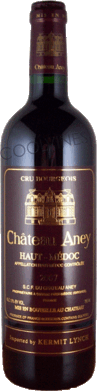
Tour de France: Cabernet Blend, Haut-Médoc, Château Aney, Bordeaux, France, 2009

This left-bank Château Aney is situated strategically between St-Julien and Margaux, at the epicenter of the great wines of the region where the terroir imparts exceptional quality and provides ideal growing conditions. The warm summer sun is tempered by the cool breezes of the Garonne, and round, polished, gravelly, river stones cover the vineyard.  The final blend of the wine matches the proportions in which they are planted throughout the seventy-four acres of vineyards: 65% Cabernet Sauvignon, 25% Merlot, 7% Cabernet Franc, and 3% Petit Verdot. This traditional Haut Médoc is more like what you might remember of the classic Bordeaux styles of the 1960s and 1970s. This wine is NOT at all cloaked in new wood or over-extracted tannins, Château Aney’s wines have finesse and balance!

  • SUCCULENT
  • Black Cherry
  • Plum
  • Blackberry
  • Dusty Black pepper
  • Tobacco Leaf
  • Subtle Earthy Finish

Château Aney was built in 1850 by the family that gave it its name, just five years before the wine classification system was initiated in Bordeaux, where the domaine earned "Cru Bourgeois" status.  By the mid-twentieth century the land was no longer being farmed and the Château had fallen into disrepair. Then in 1972 Jean Raimond and his son, Pierre, bought the property, rehabilitated the vineyards, and refurbished the winery and cellars bringing it back, more glorious than ever. This new era for Château Aney also achieved "Cru Bourgeois" status in 1978. Which we can read this as showing just how accurate this classification system is, or does it illustrate just how resistant to change the French wine community can be.  You should taste the wine and decide...


Tuesday, July 23, 2013

Tour de France: Merlot/Cab. Sauvignon, CHASSE, Bordeaux, France, 2008

This “Grand Vin de Bordeaux” appeals to your sheer pleasure, taking its inspiration from the great French romanticists, it is an open invitation to sharing a little sensual poetry from the bottle.  Softness and roundness, creating nuances and shading that are the hallmark of exceptional personality of this wine.  With 60% Merlot, 30% Cabernet Sauvignon, 10% Cabernet Franc it has very genial flavors while remaining true to the regional character of Bordeaux wine.
  • SUCCULENT
  • Red Cherry
  • Raspberry
  • Blackberry
  • Flinty
  • Smoky Wood
The new face of Bordeaux Wines, Marquis de Chasse, with a personality all its own, (read “brand” all its own.)  Created in 1992 by the Bordeaux based wine giant Ginestet, utilizing their extensive resources; over 3,700 acres of vineyards, teams of agronomists and wine-makers and capable and resourceful international sales and marketing teams.  Not a small feat to exalt taste creating an appealing wine that consumers will always return to with pleasure, vintage after vintage.

Saturday, July 20, 2013

Tour de France: Merlot / Cabernet Blend, Graves, CHÂTEAU CABANNIEUX, Bordeaux, France, 2009

Chateau Cabannieux is a very old family property. Mentioned in 1874 as “Première catégorie” winery and in 1881 classified as “Cru Exceptionnel” establishing a record of continuous improvement.  With almost 50 acres of vineyards, surrounding the Château, Hugo Dudignac, is producing red and white AOC Graves wines with distinction.
  • POWERFUL
  • Earthy
  • Black Cherry
  • Vanilla
  • Old Wood
  • Chocolate
  • Structure

The Chateau Cabannieux is on the top of a little hill, all the surrounding vineyard is planted on its slops. It gives the vineyard an ideal sun exposure as well as great natural water drainage.  The soil is mainly graveled with a subsoil made of gravel, from which comes the name of “Graves.”  With vines of: 50% Merlot, 45% Cabernet Sauvignon, 5% Cabernet Franc, not the traditional Cab dominate Graves.  However the winemaking is very traditional in cement vats for 4 to 6 months , and then in barrels of 18 to 24 months.  After bottling, the wines spend a year in the cellar before being sold.  It is delicious tonight, but if we had the patients to wait ten years or more it will become a wonderful wine.

Thursday, July 11, 2013

Tour de France: What is in a name; Francesca's?


WAY back in the summer of 1999 we sat around the Boardroom Table in the The Grille at the The Resort Course of The Westin La Cantera Hill Country Resort.  The Resort was sparkling new, just opened, and our fine dinning restaurant had yet to open.  Around the table were Westin executives, the Matre 'd, servers and our consulting Chef Mark Miller.  Yes, THE Mark Miller of Coyote Cafe fame.  I was one of the servers.  The hot topic was how are we going to pronounce the name of our restaurant.


We all agreed that it sounded best as "Fran-CHESS-kas."  It is just how most of us said it.  Then Chef Miller gave us a lesson in European pronunciations; the "Fran-CHESS-kas" we were saying was Italian and we wanted to stay away from being an Italian restaurant.  Since we have more Spanish influence in our cuisine, culture, and region he maintained that we should use the Spanish pronunciation .."Fran-ses-kas."  From there on we agreed, the Spanish pronunciation was the way to go.

Nowhere in all our discussion do I remember us talking about what the name meant. We all got that it was a girl's name, which is obvious, the legend that our name is honoring was the prettiest lady in the county who stole the heart of a young man that was destined to become a priest.

What I did not catch is that it was acknowledgment of France or French heritage which was itself a reference to freedom or "free one!"  

Many will agree that this French Spirit of freedom is vibrantly on display in the feats of the month long race that tours the country, called the Tour de France.

AND it can be tasted in the wines made from their land!  Which is why our wine list is featuring French wines during July.  Check out this wine list here.


Featured Red Wine:

Featured White Wine:

Tuesday, June 18, 2013

Variety the Spice of Life; Sauvignon Blanc

Sauvignon Blanc is always light to medium body and it can be fruity and/or herbaceous, it can be oak aged or not.  No matter where it is grown and what the wine maker may do to it; Sauvignon Blanc will always be DISTINCTIVE. This grape can be pretty wild in it's flavor expression and makes some of the most exciting and entertaining wines!

Flavors Commonly Experienced :
  • Herbal  
  • Grassy
  • Grapefruit 
  • Lemon / Lime
  • Fig  
  • Hay
  • Vanilla  Oak / Butter
Sauvignon Blanc is native to France and most likely to the Loire Valley or Bordeaux.   The vine most likely gets its name from the French word sauvage "wild" and blanc "white."  The vine itself has a fairly wild personality, it grows with abandon if not trellised and pruned diligently. Classic Sauvignon Blanc is from Bordeaux, labeled as Bordeaux Blanc and Graves AOCs, customarily blended with Sémillon and Muscadelle to add friendly fruit flavors, and sometimes treated to oak aging. In the Loire Valley of France it makes wine that is flinty with pronounced mineral flavors. Sauvignon Blanc from California is bright, grassy and grapefruity. And, the best ones come from New Zealand where the long slow growing season helps the wine become vibrant, high acid, pungent and fruity wine.

Tuesday, June 11, 2013

Variety the Spice of Life; Syrah / Shiraz

Sometimes you can find one that is light-bodied, while most range from medium to full body and some can be the most complex and full bodied red wine around.  But, no matter the body Syrah / Shiraz is always EXPRESSIVE and flavorful! Very often the aromas carry over in the flavors making this wine straight forward and enjoyable.

Flavors Commonly Experienced :
  • Blackberry
  • Raspberry
  • Currant  
  • Liquorice
  • Leather  
  • Spices / Pepper
  • Oak  Raisin

Syrah / Shiraz is one type of grape with two equally popular names.  All romantic folklore aside the genetics research has proven that this grape is native to Southern France.  It is the result of two obscure French varieties crossing: Dureza and Mondeuse Blanche.  It is most likely that this crossing was a random natural occurance.  While being grown in all locations of grerat wine making, the best examples of Syrah / Shiraz come from France's Rhône Valley, Australia and California.

Some Recommended Syrah / Shiraz...


And please reply to this blog; 

what is your  favorite Syrah?
BRANNON'S CAFE
WINE LIST


Saturday, June 8, 2013

Variety the Spice of Life; Merlot

Merlot is SUCCULENT, often jammy, with fruit flavors being dominate.  I am associating "EXPERIENTIAL DESCRIPTORS" in all caps with each variety, and Merlot is all about the experience.  It is less about the specific fruit flavor that is there and more about it being "JUICY" or "JAMMY."  Merlot is in the medium body territory and it can make it to full bodied and complex. 

Flavors Commonly Experienced :
  • Blackberry  
  • Currant
  • Cherry  
  • Plum
  • Walnut  
  • Mint
  • Vanilla  
  • Oak / Butter

Merlot's name comes from "merle" French for blackbird, because of the color of the fruit.  Research suggests Merlot may be a mutation of Cabernet Franc, though it also strongly resembles Carmenère. It is a relatively new grape and is believed to be native to Bordeaux, France and it is being successfully grown all over the world with the best examples coming from France, California and Washington.

And please reply to this blog; what is your  favorite Merlot?
BRANNON'S CAFE
WINE LIST


Tuesday, June 4, 2013

Variety the Spice of Life; Cabernet Sauvignon


Cabernet Sauvignon is the most popular grape for red wine making in the world!   Some people drink this one wine far more than any other red variety, if not exclusively drinking only this one.  
Cabernet Sauvignon makes wines that are POWERFUL and structured even when the wine itself falls in the medium to full body category. The aromas are bold making the fruit aromas are easy-to-read in the flavors.

Flavors Commonly Experienced :


  • Cherry
  • Plum
  • Mint
  • Olive
  • Cedar     
  • Coffee
  • Vanilla  
  • Anice


Cabernet Sauvignon is at it's best in the great wines from Bordeaux and California.  It is grown all over the world, pretty amazing when we consider that it has only been around since the 1600s.  Genetics research has revealed that it is the result of cross-pollination between Cabernet Franc and Sauvignon Blanc.

Some Recommended Cabernet Sauvignon...


And please reply to this blog; 

what is your  favorite Cabernet Sauvignon?


Tuesday, September 13, 2011

Wine Study- "Merlot"


"Cabernet without the pain."
 –Jancis Robinson.

We continue a series of sessions with the Francesca's at Sunset and Brannon's Cafe teams we are calling "Wine Study."  Our guide is Jancis Robinson's Wine Course DVD, Mrs. Robinson poured depth and detail into this television series that aired in the United Kingdom in 1995; it withstands the test of time!  If you have not purchased this DVD series yet; do so now!

Episode 8- Merlot is amazing; like the previous episodes where we have seen personalities of the winemakers influencing the wines and/or the terrior of different regions in comparison.  ONLY  in this episode we see the in stark contrast the way the fashion of wine drinking has changed; it is not as popular today to drink Merlot as it was in the mid-1990's! Watch...

Jancis starts us out in the world’s most glamorous wine region; Napa Valley; making the connection here that owning vines is a lifestyle statement for those with the millions of dollars to create this wonderland AND THE BILLIONS maintain it.  Here in the 1990's Merlot was all the craze
“It is immediate gratification
 it is the one wine that sells it self;
for the moment at least.” 
-Jancis Robinson    
This video tour is great at highlighting the diversity of California and the outdoor lifestyles that inspire comparisons to paradise.  A very seductive and emotive image that draws many of us to at least visit the area and dream about it.  Those with the money to buy into paradise like Financier turned winemaker; Dan Duckhorn, filmmaker and winemaker; Francis Ford Coppola, businessman and art collector; Donald Hess, Realtor come cult winery owner; Jean Phillips, all have bought into the dream and prospered during the boom years and then have earned their place in paradise by doing what ever it takes to get through the hard times.


And the hard times do come, even to paradise, in the 1980s phylloxera struck again; this time killing vines planted on the AXR-1 rootstock which U.C. Davis recommended as immune to the devastating pest.  Real estate prices plummeted, winery income was slashed, owners were forced to make very difficult business decisions from selling off real estate and assets to going out of business entirely.  Only the strongest and most determined wineries survive.


Embodying this hard nosed determination is the farmer's farmer; Dick Steltzner, shown here bitterly pulling vines in the vineyard and lamenting U.C. Davis' recommendation for rootstock AXR-1. It turned out it was NOT immune to phylloxera for the long haul.  While 80-90% of California vineyards were planted with the roots and made tremendous wine for years only to fall victim by the 1980’s.

The French did not buy into the AXR-1 rootstock and avoided this wave of phylloxera.  Here the Mecca for Merlot is St. Emilion, east of the city of Bordeaux, it is a Disneyland version of France with ninety-four wine shops and not a single butcher.  Walking down the streets here tourist are called by hawkers to storefronts where they are implored to buy wines made from Merlot. 


This is the birthplace of the world's most famous and sought after Oenologist; Michelle Rolland.  Interviewed here Jancis get's the full display of his ego when he shares his ambition to consult with grape growers on the moon!  He does have huge success to support this grand ambition and is the most revered of only seven or eight people in the world who can do this kind of consulting.  The intervening years since this interview have proven his remarkable abilities.  
“I try to find the maximum.”
- Michel Rolland


While Michel Rolland typifys our ideal of the French wine expert it is worth noting The average Frenchman is ignorant about wine.  In contrast more and more Americans are quickly learning about wine.  Although their knowledge is often tainted by our melodramatic culture; the crime and punishment of PROHIBITION from 1918-1933 (which stunted the growth of our wine industry), the over protective Sulfite Warning on every bottle (Even though sulfites are naturrally occurring in all the produce we eat!), the Government Warning Label for health and safety which makes wine sound almost poisonous, and our laws that allow only adults over 21 years of age to purchase.  While we are embracing and enjoying wine in our daily lives we still hold on to a neurotic fear and loathing of this natural, delicious and beneficial beverage.

Jancis does highlight the civilizing role wine fulfills at the dinner table and shows us how many are working to promote this in our culture.  Featured are the Women for Wine Sense as they show young people the seasonal cycle in the vineyard.  It will take decades of work by people like these women to overcome this deeply seeded feelings held by many in North America.


Interestingly side by side in the video is Paul Dolan of Fetzer Vineyards, talking about organic wine making, with a holier than thou approach.  Mr. Dolan and Fetzer Vineyards were definitely early adopters of organic techniques and using them as marketing tools; in 1995 they had 10% of their grape production organic AND very boldly sought to have complete organic grape production for ALL OF CALIFORNIA by the year 2000!  Well, this prediction did not hold up with time, however they did make a difference and have advanced organic grape growing to the point where every winery is striving to show their customers just how very holistic they are.  Sustainability is the key concept every winery wants to be associated with in the mind of their consumer.  The question is; does every consumer want their winery to be sustainable?  I am confident that we do, only with a less sanctimonious tone about it. 

Without a doubt it takes a bit more effort to do things the right way and with winemaking's quality of authorship it brings an added pride that makes the owners want to boast about it at every level.  It is a romantic idea that one person could do it all from start to finish.  Seduces us all to dream about our own vineyard…with this one nagging question, standing in the way...

How do you make a small fortune in the wine business?
and the crushing answer...Start with a large one.

Another episode that is amazing television!  Cheers to Mrs. Robinson for calling out Merlot as a fad; this predates the Sideways movie by almost a decade however she describes the varietal with "
the one wine that sells it self; for the moment at least."  For shadowing the crash of the market for Merlot in 2004 after the Sideways.  It is stunning to consider how powerful fashion is in the wine business, while everyone is saying Merlot in this video today they are all making a fortune selling Cabernet Sauvignon and singing it's praises. This was possibly the best thing to happen to the Merlot; it caused labels that were mediocre wine to go away and left only the very best Merlot made available today.  Almost a value category today the wine is due for a comeback with the American wine drinker.  And, it will come back, it is the red wine equivalent to Chardonnay; there really is nothing to object to in the wine.  That is the one thing the casual wine drinker wants more than anything.  For you and me; we want something more challenging and rewarding. 


If you will read this handout which has a few notes from the video and a lot of information and links to more on the web related to the topics Jancis covers, hopefully it adds to the subjects and fills you in on where the personalities from the video are today.  It is my sincere hope that you are finding this blog informative and instructional.  To check your learning experience and highlight the most important information here is the quiz.  And the quiz with answers.  And please reply to this blog; is Merlot  your  favorite wine?

Friday, March 25, 2011

Wine Study- "Sauvignon Blanc"

"The Wildman of Pouilly" Didier Dagueneau, 1956-2008


“Nothing as refreshing!”
- Jancis Robinson

We continue a series of sessions with the Francesca's at Sunset and Brannon's Cafe teams we are calling "Wine Study."  We are meeting every other Saturday for the purpose of expanding our knowledge and experience with wine.  Our guide is Jancis Robinson's Wine Course DVD, an excellent resource!  Aired in the United Kingdom in 1995 and is fascinating to see both areas where the wine industry has not changed and areas where it has changed dramatically!

Episode 4- Sauvignon Blanc continues the juxtaposition Jancis showed us in episode 2 and 3; New World vs Old World. AND the commonality of the monumental struggle to overcome the unique challenges each region and each producer has as Jancis shows us in Episode 3- Cabernet Sauvignon. In this episode the layer of the owner/winemaker's personality is added in dramatic fashion; beginning in New Zealand where John Stichbury’s Vineyard is being threatened by frost so he calls in a helicopter to fly over vineyards and push warm air down on vines. As we learn more about this vineyard and winery we also see that this man is quite a character, very dynamic and bold. Mrs. Robinson goes on to introduce us to David Hoehnen who recounts how he started the Cloudy Bay winery in 1985 from nothing to being one of the most prized and recognized wines in the world.  I do not know of a more bold and dramatic happening in the world of wine in our lifetime. Mrs. Robinson then wisks us, the viewers, away to France's Loire Valley where she introduces us to "The Wildman of Pouilly," Didier Dagueneau, a loner, a fighter, adventurer who was dis-owned by his Father.  His philosophy about wine is very well thought out and expressed; “I make wine to give people pleasure.  I sell happiness.  It’s a good job to be in.  I want wine to be a good moment in people’s lives.  It’s like good food, beautiful music; it is like a beautiful painting.  I think that wine should be considered as art, in the same way as painting or music.”  Amen, Monsieur Dagueneau!!!

Continuing the bold and fresh personality tour, Jancis introduces us to a flying wine maker; Jacques Lurton.  He is the son of established Sauvignon maker Andre Lurton of Chateau Bonnet, Bordeaux, France.  Jancis explains how Jacques became the successful globe trotting wine maker he is because he did not or could not stay in Bordeaux and become competition for his Father.  In his interview Jacques then explains how he works by coming into the client's winery and completely taking over, a very bold and audacious practice.

In this episode focused on the Sauvignon Blanc grape; we should not be surprised that the people who make the best examples are themselves bold and dynamic, like the grape variety. The grape gets its name from the French word "sauvage" (wild) and "blanc" (white) due to its characteristics in the vineyards and in the glass!  So, is it art imitating life or is it life imitating art?  Through the lives of these winemakers we can see a glimpse of how profound, magical and mysterious nature of wine!

If you will read this handout which has a few notes from the video and a lot of information and links to more on the web related to the topics Jancis covers, hopefully it adds to the subjects and fills you in on where the personalities from the video are today.  As exciting and dynamic as this episode is, the intervening years have been even more so for everyone involved.  It is my sincere hope that you are finding this blog informative and instructional. 

To check your learning experience and highlight the most important information here is the quiz.  And the quiz with answers.  And please reply to this blog; is Sauvignon Blanc your  favorite wine?